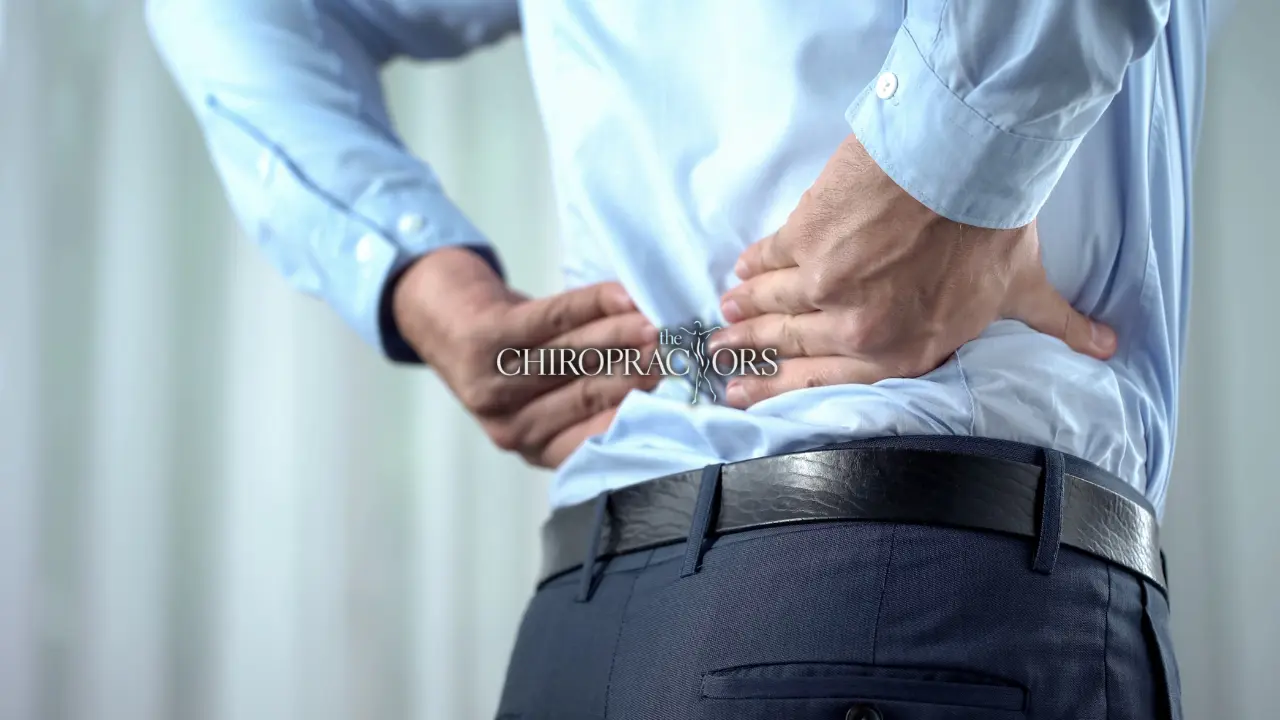
If you’re feeling a deep, persistent ache in your back or a sharp, radiating pain that travels down your leg or arm, you might be wondering — is this more than just typical back pain?
At The Chiropractors in Solihull and Sutton Coldfield, we often meet people who’ve been silently managing symptoms they thought were “just a strain” or “just a bad posture day,” only to discover that something more specific — like a disc bulge or nerve impingement — could be at play.
Let’s help you understand what a slipped disc really is, how to spot the signs, and what steps you can take to support your spine and get back to feeling like yourself.
What Is a Slipped Disc?
First, let’s clear something up: “slipped disc” is a common term, but discs don’t actually slip. What’s really happening is that the soft inner material of a spinal disc bulges or herniates through the tougher outer layer — potentially pressing on nearby nerves.
This is often referred to as:
- Disc bulge
- Disc herniation
- Prolapsed or ruptured disc
The pain that follows isn’t just about the disc itself — it’s often due to nerve impingement caused by the bulge pressing on the spinal nerves.
How to Tell If It’s More Than Just Back Pain
While simple muscle tension tends to stay local and ease with rest, disc bulge symptoms often involve additional signs that point to nerve involvement.
Here are a few nerve impingement signs to watch for:
- Radiating pain that shoots down the leg (sciatica) or arm
- Pins and needles, tingling, or burning sensations
- Numbness in specific areas (such as a foot, toes, or fingers)
- Muscle weakness or changes in your walking pattern
- Pain that worsens when coughing, sneezing, or bending
If any of these sound familiar, it’s worth having your spine assessed by a professional — not to alarm you, but to empower you with knowledge and safe options for support.
What Causes a Slipped Disc?
Discs can become irritated or damaged due to:
- Poor posture or prolonged sitting
- Heavy lifting without proper technique
- Sudden injury or trauma
- Age-related wear and tear (degeneration)
- Sedentary lifestyles or deconditioned muscles
Once a disc is affected, the surrounding nerves and tissues may become inflamed or compressed — which is often where the radiating pain begins.
How Chiropractic May Help
At The Chiropractors, we don’t claim to cure slipped discs — and we’re careful not to overpromise. But we can provide a thorough assessment, help you understand how your spine is functioning, and offer gentle, individualised care that supports spinal health.
Our approach focuses on:
- Reducing tension and imbalance in the spine
- Supporting better movement and posture
- Exploring non-invasive strategies to ease pressure on the nervous system
Many patients with disc-related symptoms report improvements in mobility, comfort, and quality of life with chiropractic care. We’ll also guide you with tailored movement advice and postural awareness, so you’re supported outside the clinic too.
Book a Consultation in Solihull or Sutton Coldfield
If you suspect your pain might be more than muscular — or you’re experiencing classic disc bulge symptoms — don’t wait until it worsens. A gentle, honest assessment could help you catch things early and avoid unnecessary strain on your body.
👉 Click here to book your consultation
Let’s find out what’s really going on — and take positive steps toward relief.